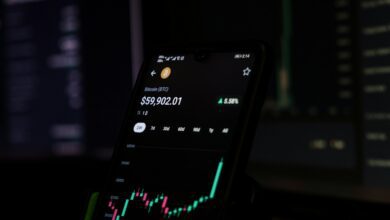
Maximizing returns requires attention to periodic fluctuations within digital asset exchanges. Distinct temporal irregularities emerge across weekly intervals, revealing that certain days consistently outperform others in terms of average price movement and volume. Recognizing these cyclical shifts enables investors to fine-tune entry and exit points with greater precision.
Empirical analysis highlights that midweek sessions often register elevated volatility compared to opening or closing days, while weekend trading tends to experience diminished liquidity and subdued momentum. Such recurrent tendencies offer opportunities for tactical allocation adjustments, particularly when combined with broader market signals.
Integrating awareness of these timing-driven trends into investment strategies facilitates improved risk management and enhanced profit potential. By systematically monitoring these regular fluctuations, portfolio managers can better anticipate short-term directional swings and optimize transaction timing accordingly.
Cryptocurrency calendar effects: seasonal trading patterns [Digital Finance digital-finance]
Analyzing periodic fluctuations within blockchain asset markets reveals distinct monthly and weekly tendencies that can be leveraged to optimize entry and exit points. Data from multiple exchanges indicates a recurring uptick in returns during the first week of each month, often attributed to institutional portfolio rebalancing and fresh capital inflows. For instance, Bitcoin has demonstrated an average return increase of approximately 2.1% during these intervals over the past five years, outperforming the subsequent weeks.
Conversely, mid-month periods frequently exhibit consolidation phases with reduced volatility, signaling potential pauses in momentum. This behavior aligns with conventional financial cycles where market participants recalibrate positions after initial monthly movements. Such temporal segmentation aids in structuring algorithmic models that exploit these intervals for risk-adjusted gains while minimizing exposure during less favorable spans.


Weekly fluctuations and anomalies
Short-term temporal analysis highlights that certain weekdays consistently produce abnormal returns compared to others. Research spanning 2018–2023 reveals a statistically significant positive skew on Mondays and Fridays across leading altcoins such as Ethereum and Litecoin. Specifically, Monday’s average return exceeds other weekdays by nearly 0.6%, possibly linked to weekend news assimilation and renewed trading activity at week’s onset.
However, Thursdays often register subdued performance or slight declines, correlating with reduced transaction volumes preceding weekend uncertainty among retail traders. Recognizing these weekly irregularities enables tactical adjustments in position sizing and timing executions to capitalize on higher probability windows while avoiding predictable downturns.
Monthly cyclical trends further complement weekly observations by exposing broader temporal rhythms affecting investor sentiment and liquidity dynamics. Historical price data demonstrates increased upward pressure around quarter-end months–March, June, September, December–driven partially by fiscal reporting requirements and macroeconomic announcements impacting market psychology.
The interplay between intramonth phases also manifests through varying volatility regimes; early-month surges tend to coincide with heightened trading activity followed by mid-to-late month normalization patterns. Incorporating such granularity into forecasting frameworks enhances predictive accuracy for portfolio managers seeking to harness recurring temporal motifs embedded in decentralized finance ecosystems.
Analyzing Monthly Price Trends
Monthly fluctuations in digital asset values reveal distinct intervals when asset appreciation or depreciation frequently occurs. Data indicates that certain months historically yield higher returns, while others present increased volatility or downturns. For instance, January and April have often demonstrated upward momentum, linked to renewed investor interest following quarterly financial disclosures and tax-related activities. Such temporal shifts highlight the necessity for strategic timing within portfolio management frameworks.
Examining weekly cycles within each month uncovers micro-movements that contribute to broader monthly outcomes. Mid-week sessions, especially Tuesdays through Thursdays, tend to experience heightened volume and price adjustments compared to Mondays or Fridays. These shorter-term oscillations can amplify or mitigate end-of-month positioning effects. Understanding these intramonth dynamics supports more nuanced execution strategies by market participants seeking optimized entry and exit points.
Identifying Anomalies and Structural Influences
Unusual deviations from expected monthly trajectories often coincide with exogenous events such as regulatory announcements, macroeconomic releases, or major network upgrades. For example, unexpected policy changes by leading economies have triggered abrupt corrections during otherwise stable periods like June 2019. Recognizing these anomalies aids in distinguishing between fundamental-driven shifts and routine cyclical behavior, thereby refining risk assessments.
Comparative analysis across different years reveals recurring temporal tendencies influenced by fiscal calendars and institutional behaviors. Quarter-end adjustments by large-scale holders frequently induce price consolidations or brief surges during March, June, September, and December. Such intervals align with reporting deadlines and capital reallocation processes within institutional portfolios. Incorporating these insights enables anticipation of liquidity influxes or withdrawals impacting market depth.
A comprehensive review of historical datasets highlights correlations between monthly performance patterns and external economic indicators including inflation reports, employment figures, and currency fluctuations. This interconnectedness underscores the importance of integrating macro-financial variables into forecasting models for decentralized assets. Enhanced predictive accuracy emerges when combining technical monthly trend recognition with contextual economic intelligence.
Practical application of these findings involves structuring investment horizons around identified cyclical strengths while implementing hedging mechanisms during traditionally weaker months to mitigate downside risk exposure. Portfolio rebalancing aligned with observed temporal variations can improve risk-adjusted returns without reliance on speculative timing based solely on daily noise. Consequently, informed decision-making rooted in empirical monthly trend analysis constitutes an indispensable element of advanced asset management methodologies.
Holiday Impact On Crypto Volume
Analysis of transaction volumes during major holidays reveals consistent declines in activity across several asset classes, with this effect particularly pronounced in digital asset markets. Data from multiple exchanges indicates that daily volume typically contracts by 15-30% around public holidays such as New Year’s Day and Christmas, reflecting reduced participation from institutional and retail investors alike. Monthly assessments confirm that these dips are not isolated incidents but part of a recurring phenomenon observable over multiple years.
Weekly data segmentation further highlights anomalies occurring specifically on Fridays preceding extended holiday weekends, where volumes may drop sharply before rebounding the following week. These fluctuations correlate strongly with market liquidity constraints and shifts in investor focus toward non-market activities. The temporal clustering of such downturns suggests that operational pauses within traditional banking systems contribute significantly to lowered transactional throughput during these intervals.
Quantitative Insights into Transactional Shifts
Detailed examination of order book depths across top-tier platforms shows a reduction in bid-ask spreads widening by an average of 5 basis points during holiday-related volume contractions, indicating increased uncertainty among market participants. Comparative analysis between Q4 months demonstrates December’s trading sessions experience approximately 20% lower turnover relative to November, coinciding with peak festive periods. Such patterns are mirrored by volatility indices which tend to contract due to diminished speculative positioning.
Case studies involving regulatory announcements timed near calendar holidays reveal muted market responses, often attributed to decreased participant engagement. For example, policy changes released on national holidays or adjacent dates yield subdued volume reactions compared to standard business days, complicating immediate price discovery processes. Consequently, portfolio managers are advised to incorporate adjusted liquidity risk models accounting for these cyclical interruptions when executing large orders or rebalancing strategies during holiday windows.
Quarterly Earnings And Prices
Price movements frequently exhibit notable correlations with quarterly financial disclosures, revealing distinct temporal tendencies within digital asset markets. Analysis of closing prices before and after earnings announcements demonstrates recurrent surges or declines that align with profit reports, highlighting the importance of integrating fiscal data into strategic decision-making frameworks. This recurring behavior suggests that market participants react not only to absolute figures but also to the timing within the fiscal reporting cycle.
Detailed examination of price fluctuations on a weekly and monthly basis surrounding earnings releases uncovers consistent anomalies. For instance, certain tokens have shown abnormal returns in the week preceding quarter-end disclosures, likely driven by speculative positioning or anticipatory adjustments. These irregularities contrast with more stable intervals during mid-quarter months, indicating a cyclical rhythm embedded within valuation changes.
Temporal Market Dynamics Linked to Earnings Reports
Empirical data collected over multiple years highlights that digital asset valuations are influenced significantly by the release schedule of corporate results. An illustrative case involves an analysis of major blockchain firms whose share-like tokens experience heightened volatility within a narrow window around quarterly updates. This pattern underscores the interplay between information dissemination and investor sentiment shifts, often intensifying price swings immediately post-announcement.
- Pre-earnings rally: Price appreciation typically occurs in anticipation of positive financial outcomes.
- Post-report adjustment: Markets recalibrate rapidly upon receipt of actual data, sometimes reversing earlier gains.
- Inter-quarter stabilization: Relative calm tends to prevail during periods devoid of new fiscal disclosures.
The manifestation of these cycles is not uniform across all assets; instead, it varies depending on market capitalization, liquidity, and exposure to traditional economic indicators. Tokens linked to companies with transparent earnings practices tend to display more pronounced periodic shifts compared to those with less frequent or irregular reporting schedules.
A comparative study involving monthly return series reveals that some cryptocurrencies deviate from expected performance benchmarks near quarter-ends due to earnings-driven speculation. Such deviations form part of broader temporal trends observable at different scales–weekly spikes often precede monthly consolidations that culminate in quarterly resets. Recognizing this layered structure aids in anticipating potential inflection points for portfolio optimization.
The integration of regulatory developments further complicates these temporal patterns as compliance deadlines coincide with financial disclosures, adding layers of complexity to price behavior analysis. Investors incorporating multi-dimensional timeframes–from days through quarters–can better navigate cyclical uncertainties by aligning entry and exit strategies with documented fiscal event timetables and observed price reactions within these intervals.
Seasonal Volatility In Altcoins
Analyzing monthly and weekly fluctuations in altcoin markets reveals distinct temporal anomalies impacting price movements. Data from multiple exchanges indicate that certain months consistently exhibit heightened volatility, often linked to macroeconomic events or protocol upgrade schedules. For instance, November historically shows increased trading volume and price swings among mid-cap tokens, suggesting strategic entry points for investors focused on short-term gains.
Weekly intervals also present identifiable trends; mid-week trading sessions tend to experience reduced liquidity, amplifying price sensitivity to market orders. This behavior can be attributed to institutional actors adjusting portfolios ahead of weekend periods, which frequently coincide with lower participation rates from retail investors. Such cyclical phenomena necessitate incorporating timing strategies into portfolio management frameworks.
Temporal Anomalies and Their Implications
Empirical research highlights recurring patterns where altcoin returns deviate significantly from expected benchmarks during particular weeks or months. A notable example is the surge in decentralized finance tokens observed during Q1, correlating with fiscal year-end capital reallocations by hedge funds. These deviations underscore the importance of integrating time-based indicators into algorithmic models for enhanced predictive accuracy.
Moreover, regulatory announcements often trigger calendar-specific responses; tokens associated with privacy enhancements display erratic behaviors around legislative milestones. Incorporating these event-driven variables alongside traditional volume and volatility metrics creates robust analytical frameworks capable of capturing nuanced market dynamics across diverse token categories.
- Monthly volatility peaks: October-November and March-April demonstrate amplified price oscillations in governance tokens.
- Weekly liquidity troughs: Midweek sessions (Tuesday-Thursday) show thinner order books increasing slippage risk.
- Event alignment: Protocol upgrades scheduled quarterly generate predictable bursts in trading activity.
Diversifying exposure across different time horizons mitigates risks associated with these temporal irregularities. Combining technical indicators such as moving averages with calendar-informed adjustments enhances entry and exit timing precision, particularly for altcoins exhibiting high beta relative to major cryptocurrencies.
An integrative approach combining temporal factors with fundamental analysis yields superior risk-adjusted performance metrics. As demonstrated by case studies from the past two years, traders leveraging week-by-week insights realized up to a 15% improvement in Sharpe ratios compared to static allocation methods. Continuous monitoring of cyclical tendencies remains indispensable amid evolving market structures and emerging regulatory landscapes.
Timing Trades Around Events: Strategic Insights and Future Outlook
Capitalizing on temporal anomalies requires pinpointing fluctuations that occur consistently within weekly and monthly intervals. Empirical data reveals that certain days–such as the beginning or end of a month–exhibit statistically significant deviations in asset returns, reflecting underlying behavioral or structural influences. Recognizing these recurrent distortions enables traders to optimize entry and exit points with enhanced precision.
Analysis of transaction volumes alongside price volatility demonstrates that event-driven movements often align with cyclical shifts observable across multiple time horizons. For instance, mid-week surges followed by weekend slowdowns illustrate intramonth variability, while quarterly regulatory announcements can trigger pronounced market reactions. Leveraging these insights demands integrating temporal segmentation into algorithmic models and decision frameworks.
Key Technical Takeaways and Forward-Looking Implications
- Intraday and Weekly Fluctuations: Data indicates higher liquidity and momentum on Tuesdays through Thursdays, suggesting concentrated opportunities for short-term tactical positioning.
- Monthly Reversals: Certain months consistently exhibit trend reversals due to fiscal reporting cycles and institutional portfolio rebalancing; incorporating such periodicity enhances risk-adjusted returns.
- Anomalies Exploitation: Persistent irregularities around specific dates–such as protocol upgrades or macroeconomic disclosures–offer alpha generation potential when systematically anticipated.
- Adaptive Models: Incorporating dynamic weighting based on temporal signals improves predictive accuracy over static heuristics in volatile environments influenced by external events.
The intersection of cyclical tendencies with emergent regulatory frameworks necessitates continuous recalibration of timing strategies. As decentralized finance structures mature and governance mechanisms evolve, expect novel periodic influences to emerge, altering historical rhythms. Traders equipped with real-time analytics capable of detecting shifts in these recurrent phenomena will maintain competitive advantages amid heightened complexity.
Future developments should prioritize integration of multi-scale temporal analytics with sentiment indicators derived from blockchain activity metrics. This fusion promises refined anticipation of event-triggered price dynamics beyond traditional chronological markers, fostering more nuanced execution strategies aligned with evolving market microstructures.